The season of Pentecost occurs 7 weeks after Easter when, in Acts 2, the spirit of God came into all the people. Yesterday, Sunday June 9th, marked the beginning of this season. I particularly like that the English translations say the rush of wind came from heaven and not that it ‘descended’ from heaven. There is no emphasis of a God who (in the theory of flat-earth) lives above and a hell that resides beneath. Heaven is all encompassing in every round piece of fruit, in every sharp-edged stone, in the squirm of a centipede and in every human. All are filled with this one spirit, a spirit that brings life through love and wonder which, inevitably, highlights the unique differences in each being or thing; a rock is sharp, a centipede is squirmy, a sunset is radiant and all are unique and filled with this oneness by being as sharp, squirmy or radiant as each can be. We celebrate this gift of both absolute oneness and beautiful difference. Such a reflection that surely shows through the paradox in what we call the Trinity.
But before there was Pentecost there was Shavuot. This ancient Holy Day occurs 7 weeks after Passover, a Holy Day that led to the freedom of the Israelites from Egypt. The 7 weeks our Jewish sisters and brothers observe is the count-down to when Moses was given the Torah from God to share with God’s people. It is a harvest festival that is celebrated by eating dairy products, symbolising the land they were to be given as well, a land flowing with milk and honey.
As Christianity is both a mixture of Judaism and the Pagan religions that existed during the Greco-Roman world, Judeans who were inspired by Christ transformed their Shavuot Holy Day into what we now know as Pentecost. If this ‘naming and replacing’ makes you feel uneasy about Christianity, rest assured to know that this is actually the core of Christianity. This religion never sprouted out of no where; it always evolved, adapted and included according to its context, geography, place and time. As soon as Christianity stops evolving, it stops being Christian. This doesn’t mean we should throw out our traditions or our church hymns (well, maybe some of them) but what this does mean is that we need to take re-contextualising the text, our traditions and our Christian practices (particularly in church) seriously as it relates to our particular time, place, needs and people.
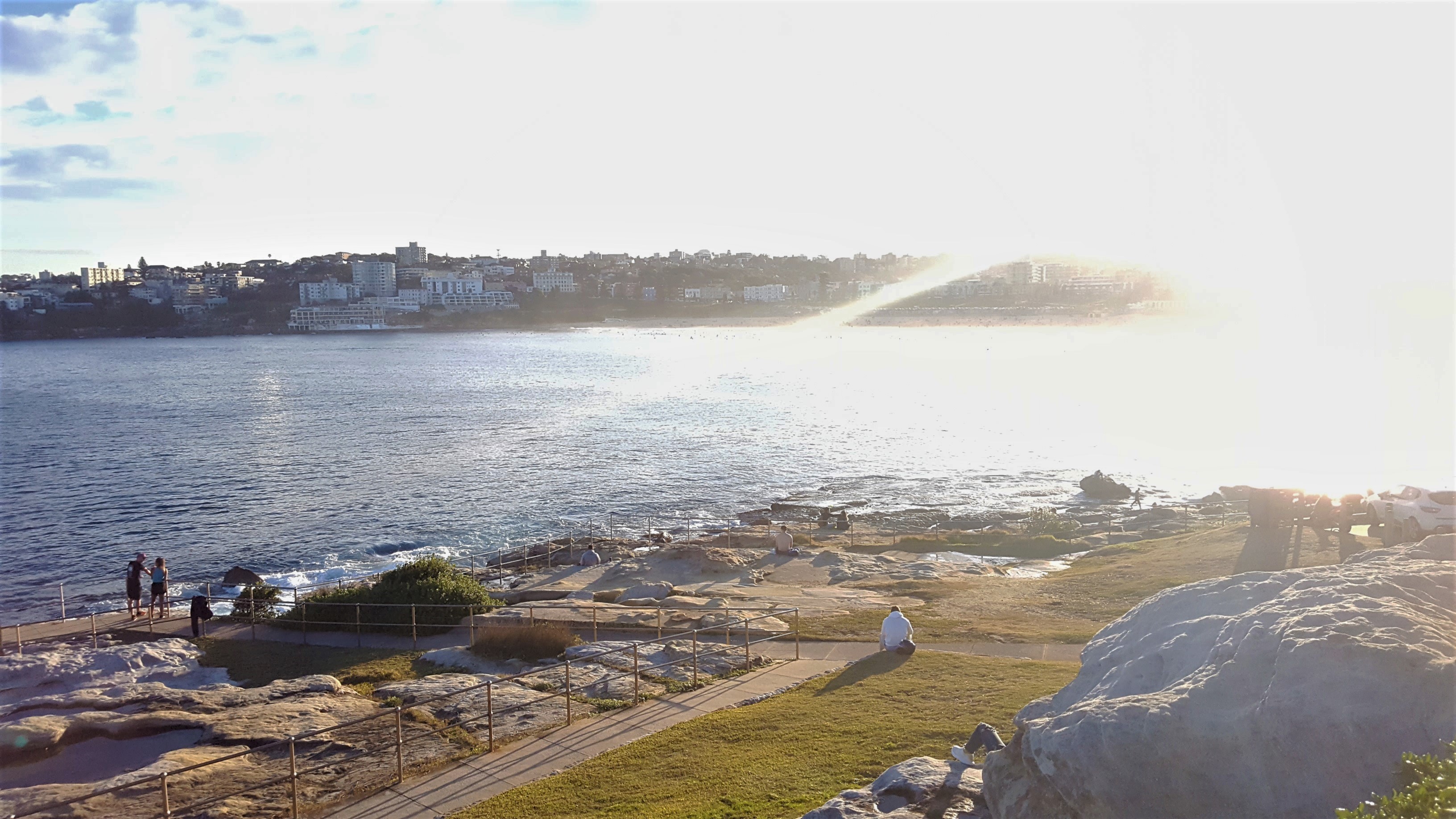
For me, learning about Shavuot has given me a deeper reflection of this Holy Day as it relates to the spirit in everything. This wisdom, this divine wind flows through even the smallest of things and the minuscule of experiences – a spirit given lovingly by God. It makes me meditate on gratitude and reflect on where I am ignoring the spirit and where I find the spirit. It makes me wonder on how I can bridge these divides. I think about how yesterday I was standing on the top of a cliff at Bondi Beach, overlooking the majestic power of the ocean and of humpback whales breaching in the distance. But in the same moment, I did not have the same feeling of wonder and beauty when I simply stepped away from it and looked at the area’s inhabitants of humans: people who (in my mind) spend a lot of their time trying to look perfect. People who (in my mind) do not honour or protect the Aboriginal Australian’s rock carvings as much as they should. It can be hard not to show this kind of curiosity to the spirit that resides in people we automatically ride-off. People we have already made our judgements on. Or people we know and, therefore, can judge ‘correctly’ on. So I wonder this Pentecost season, how we can start to bridge the divide of mountain-top experiences that are bursting at the seams, full of divinity to the mundane or seemingly unpleasant parts (or people, or politicians) of our life. And I wonder how we can become present, awake, and curious to the spirit even here, even now, amidst and because of our differences.
 by Rev Alisha
Leave a comment